Research · Dec 2025 · Illinois Tech · team project
Gossip Learning under Different Network Topologies
We trained gossip learning on Fashion-MNIST and compared three network shapes at the same average degree.
Gossip Learning under Different Network Topologies media, 5 items. Use the arrow keys to move.
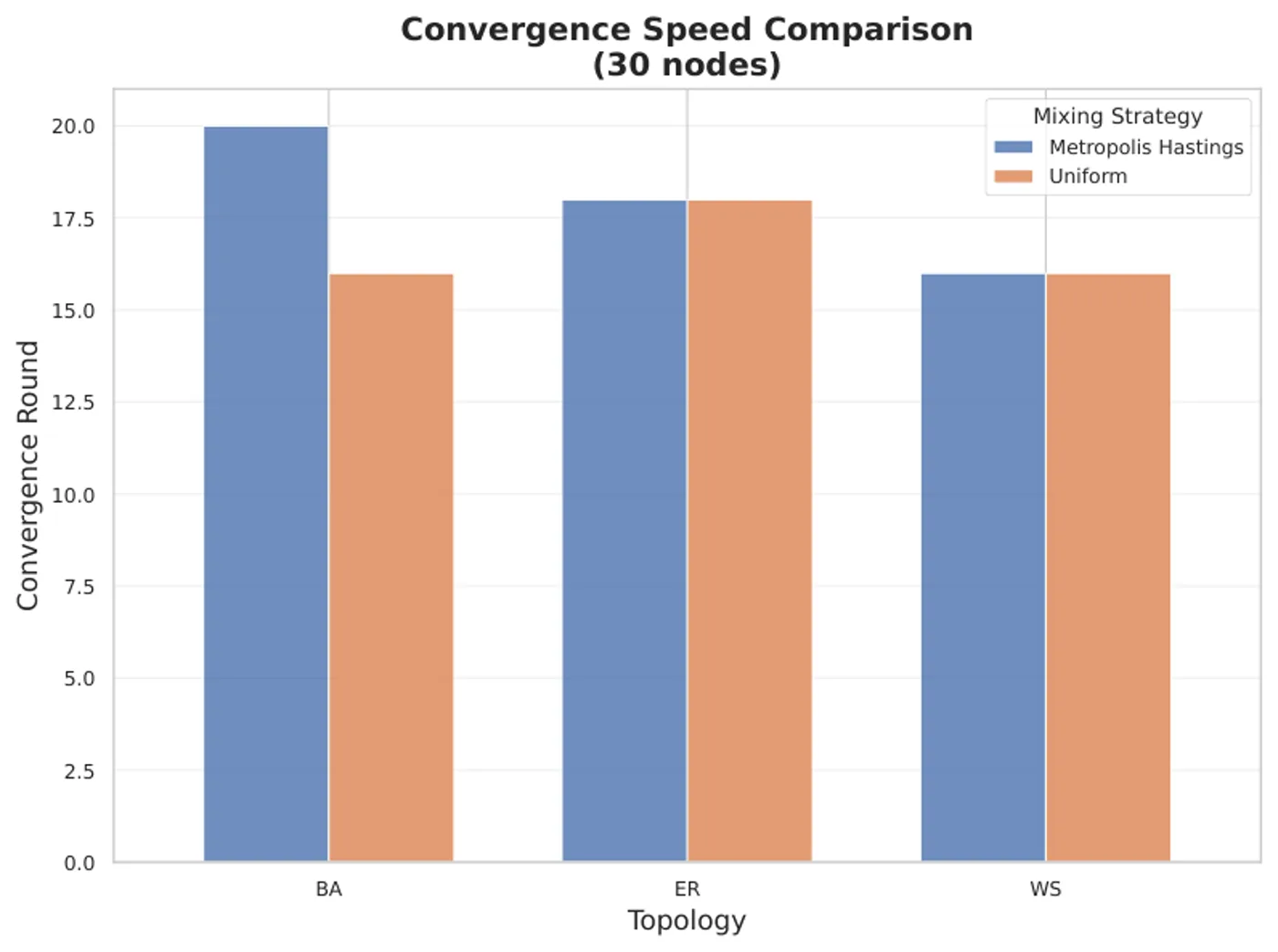
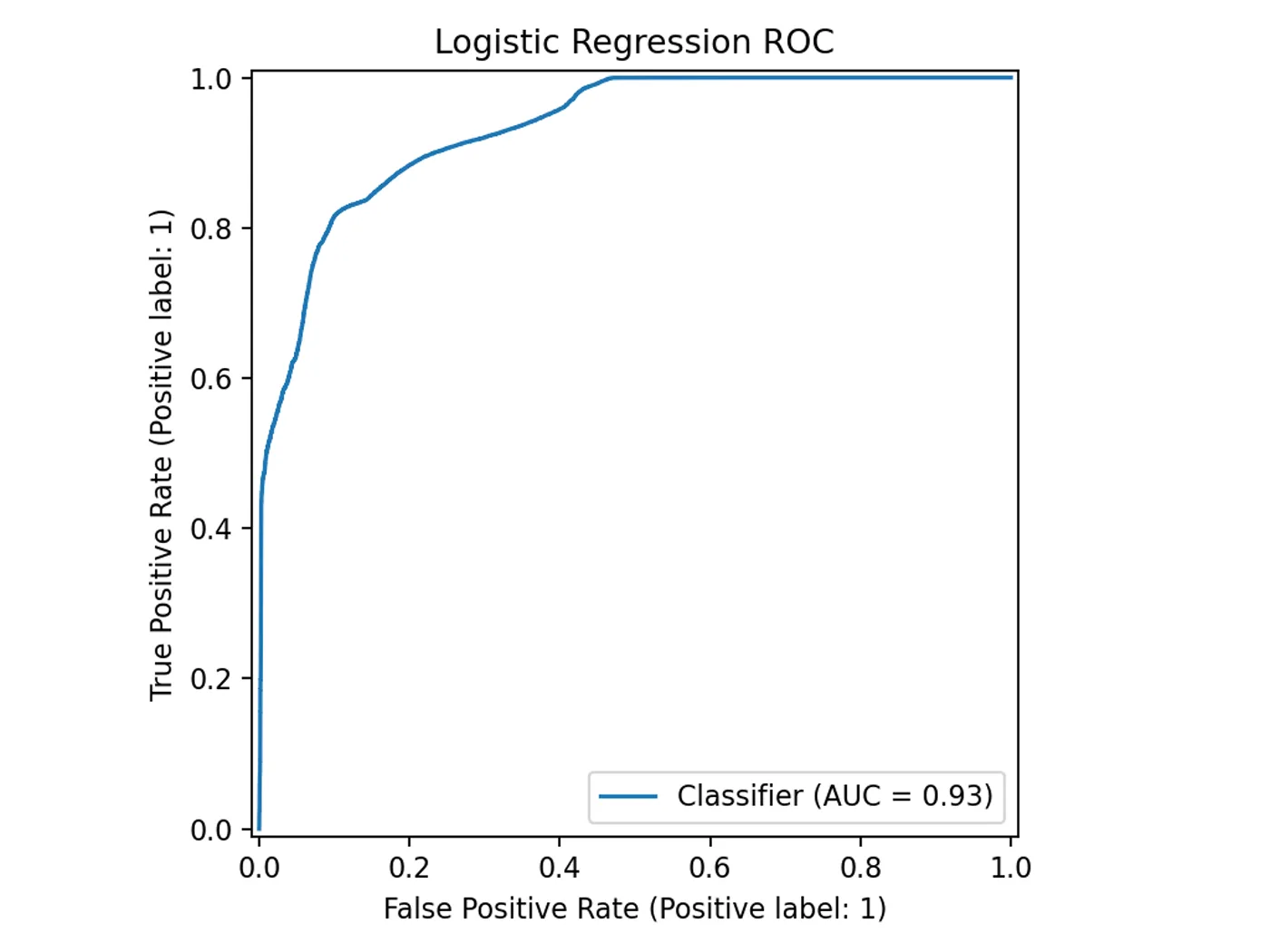
Rounds until the 70 percent / 5-point rule, 30 nodes.
People say the graph matters, then change the degree at the same time, so you cannot tell which change did the work. We held the average degree at 4 and changed only the shape.
The problem
A gossip-learning paper that swaps the topology and the connectivity in one experiment has two explanations for every curve. If the ring learns slower, it might be the ring, or it might be that the ring had fewer neighbors. The person it frustrates is anyone trying to read the figure. It was worth fixing the comparison so a difference in convergence would belong to the topology.
We trained on Fashion-MNIST. The question was not whether a small network can learn clothing. It was whether the shape of the gossip, at the same average degree, changes the path.
How I built it
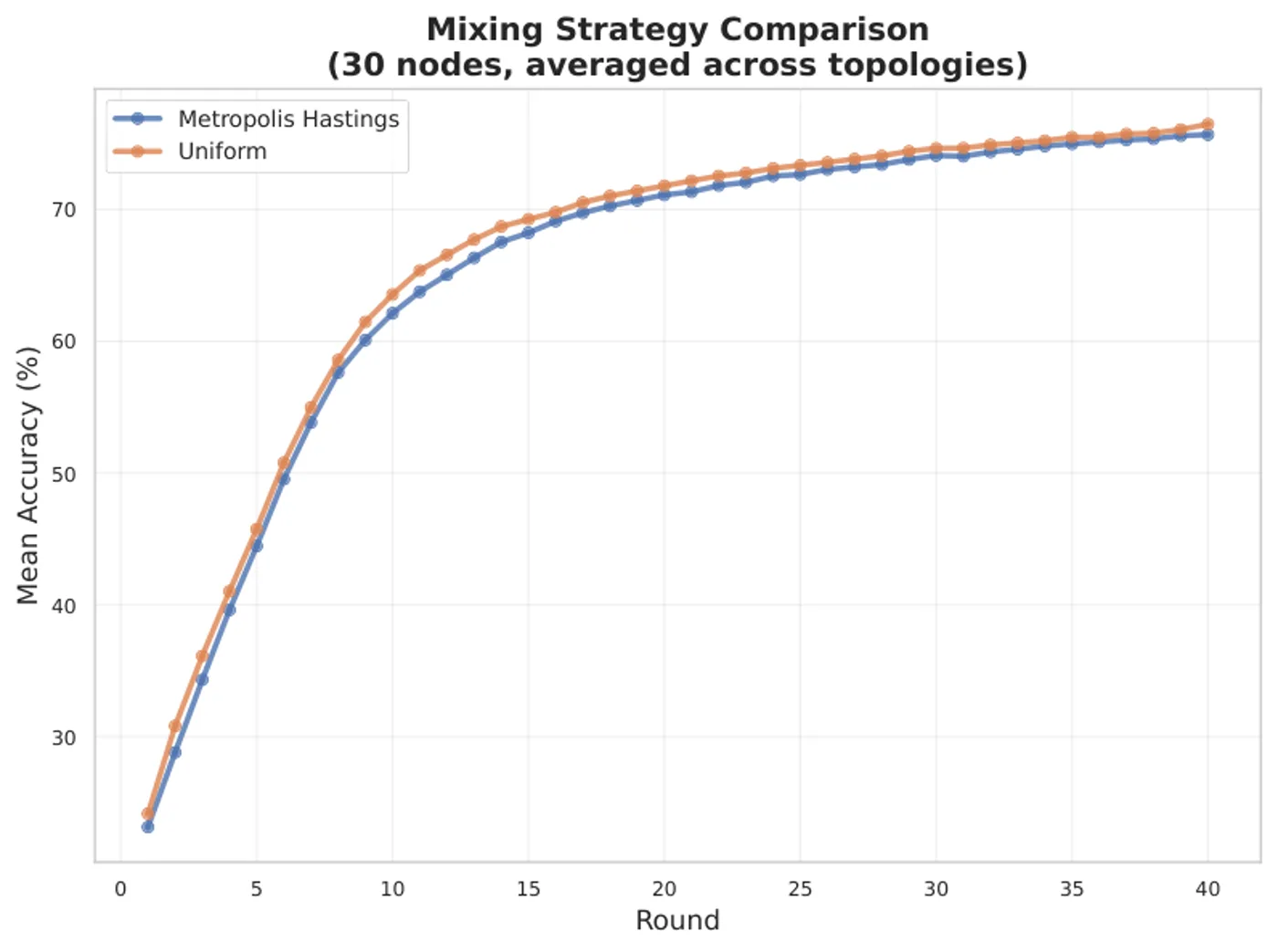
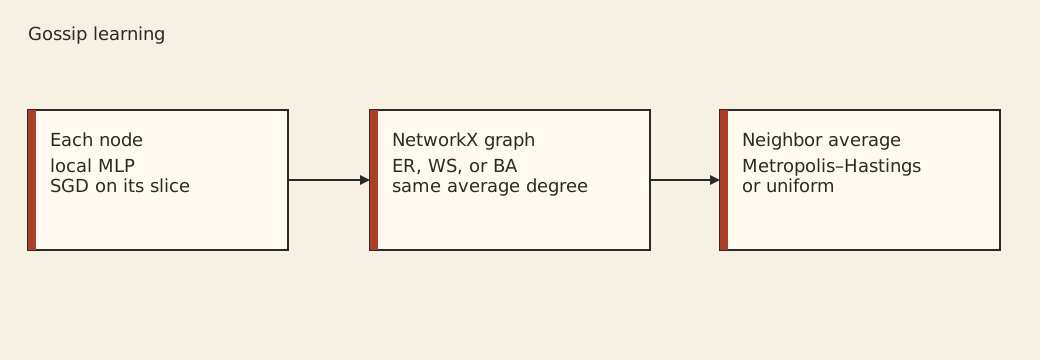
Each of 30 nodes holds a small MLP and trains on its own slice of Fashion-MNIST. After the local steps, a node averages weights with its neighbors. The mixing is either Metropolis–Hastings or uniform. Both mixings are in the run so a topology result is not an accident of one averaging rule.
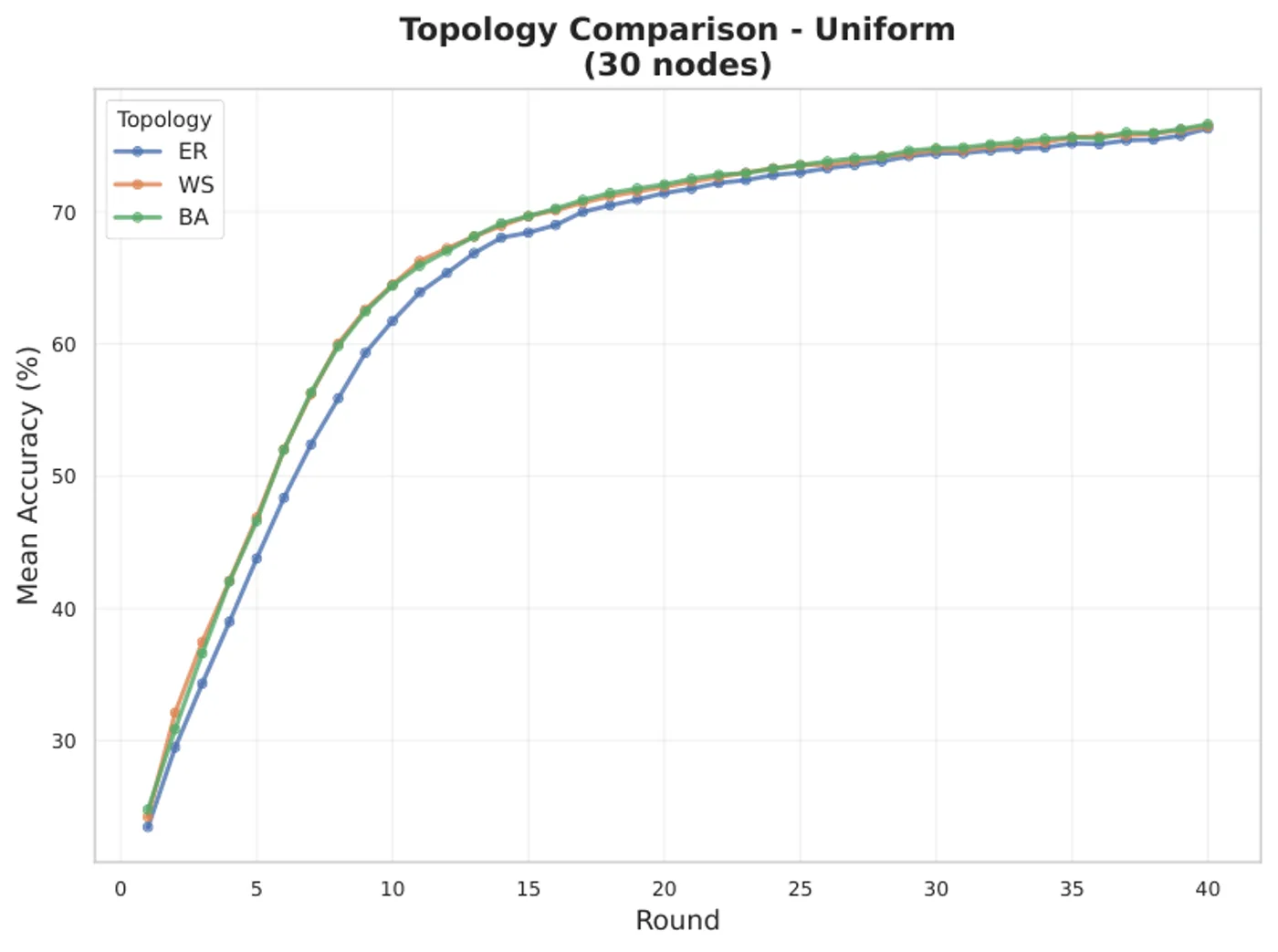
The shapes are compared at average degree 4. That is the constraint. I trained the baseline and wrote the system-model and problem-definition sections, plus some of the graph figures. NetworkX builds the graphs. PyTorch trains the nodes. The curves are Matplotlib.
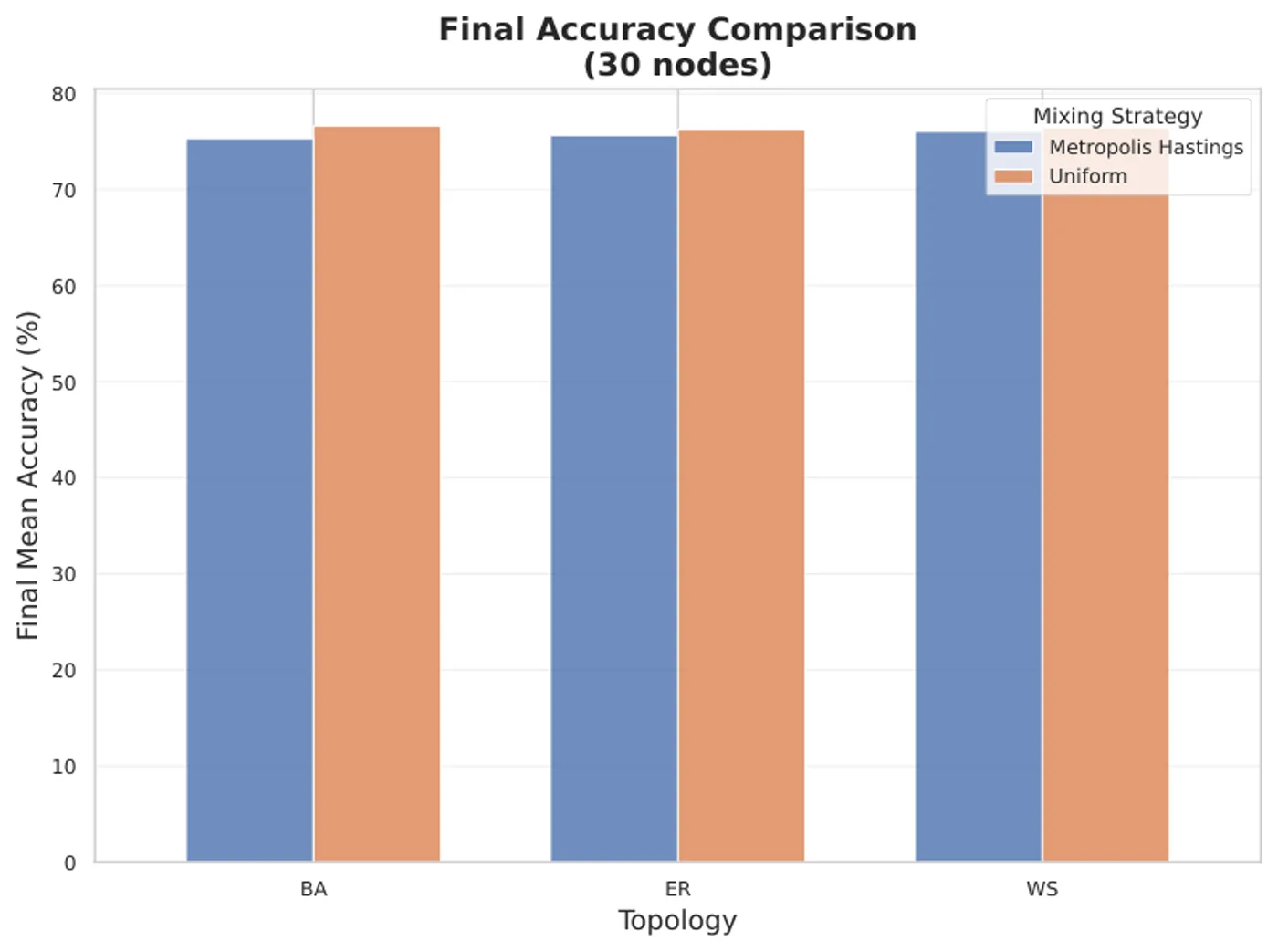
Watts–Strogatz hit the convergence rule at round 16 under both mixings. Final mean accuracies sat between 75.33 and 76.63 percent. The path moved. The score we ended on barely did.
Challenges and what I learned
Holding the degree still is the whole experiment. If I had let the graphs differ in degree, the round-16 result would have been a story about neighbors, not about shape. The accuracies landing in a one-point band is why I will not claim the topology changed what the nodes learned. It changed how they got there.